Personal lookbook / An interactive style workshop
A wardrobe has
its own logic.
Keep the clothes. Change the shoe. See a different part of the outfit take the lead.
Try the look
Same foundation.
Different first impression.
Choose a shoe. The clothes and pose stay put.

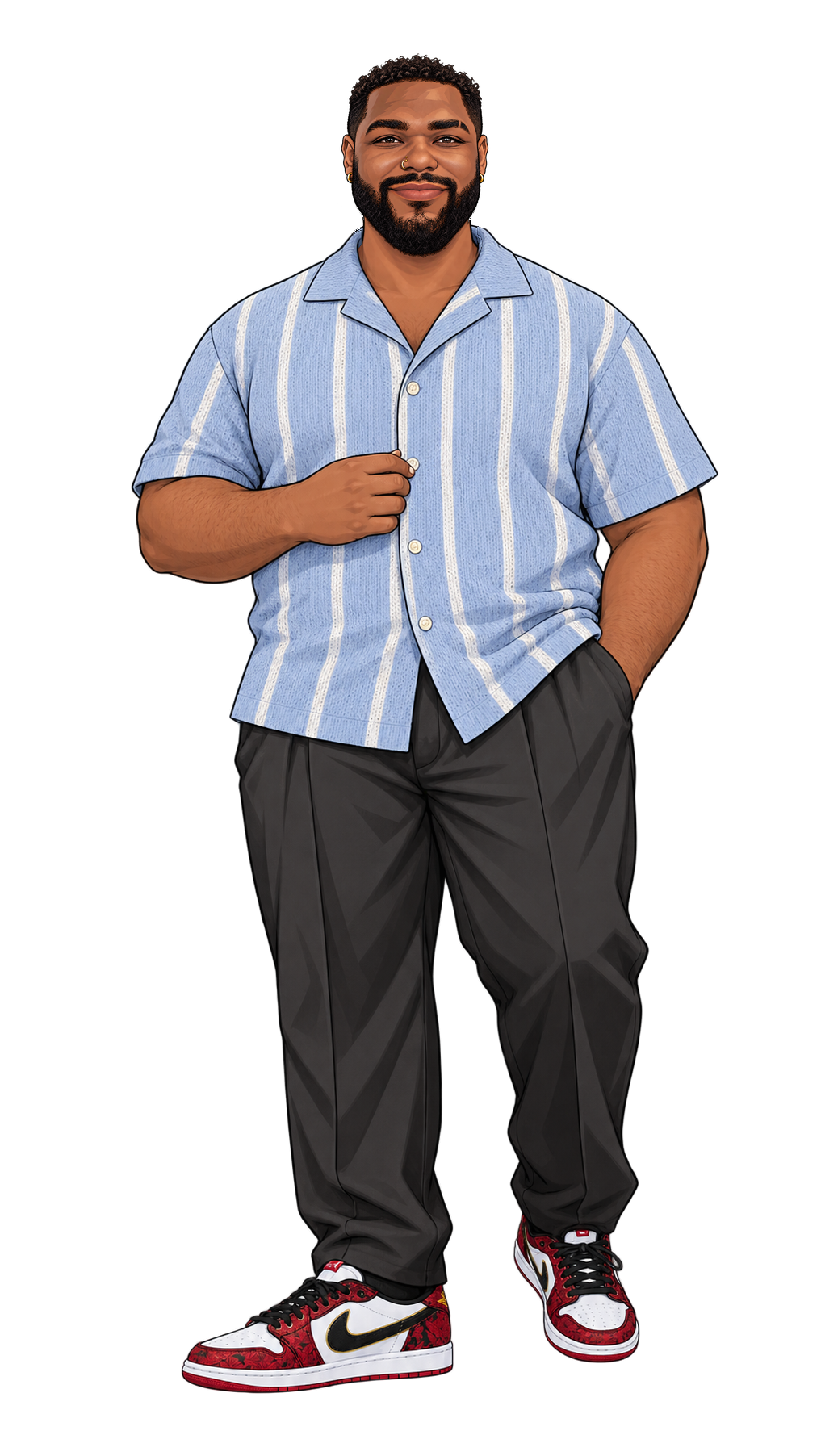
Your host.
Illustrated outfit proposals
Product references and source credits below.
Starting look

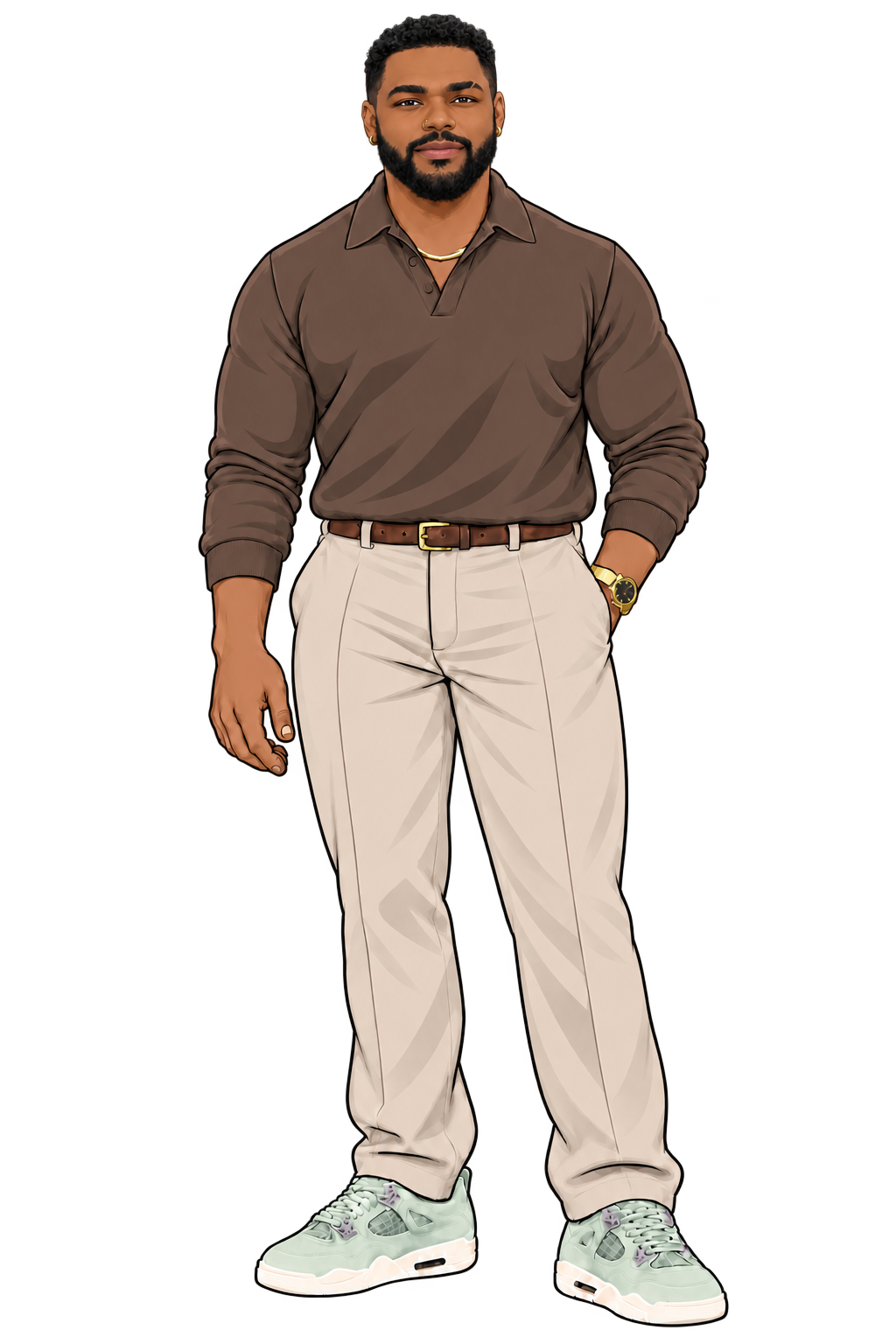
Espresso knit polo. Stone straight-leg pants.
No layer. No hat.
Selected look

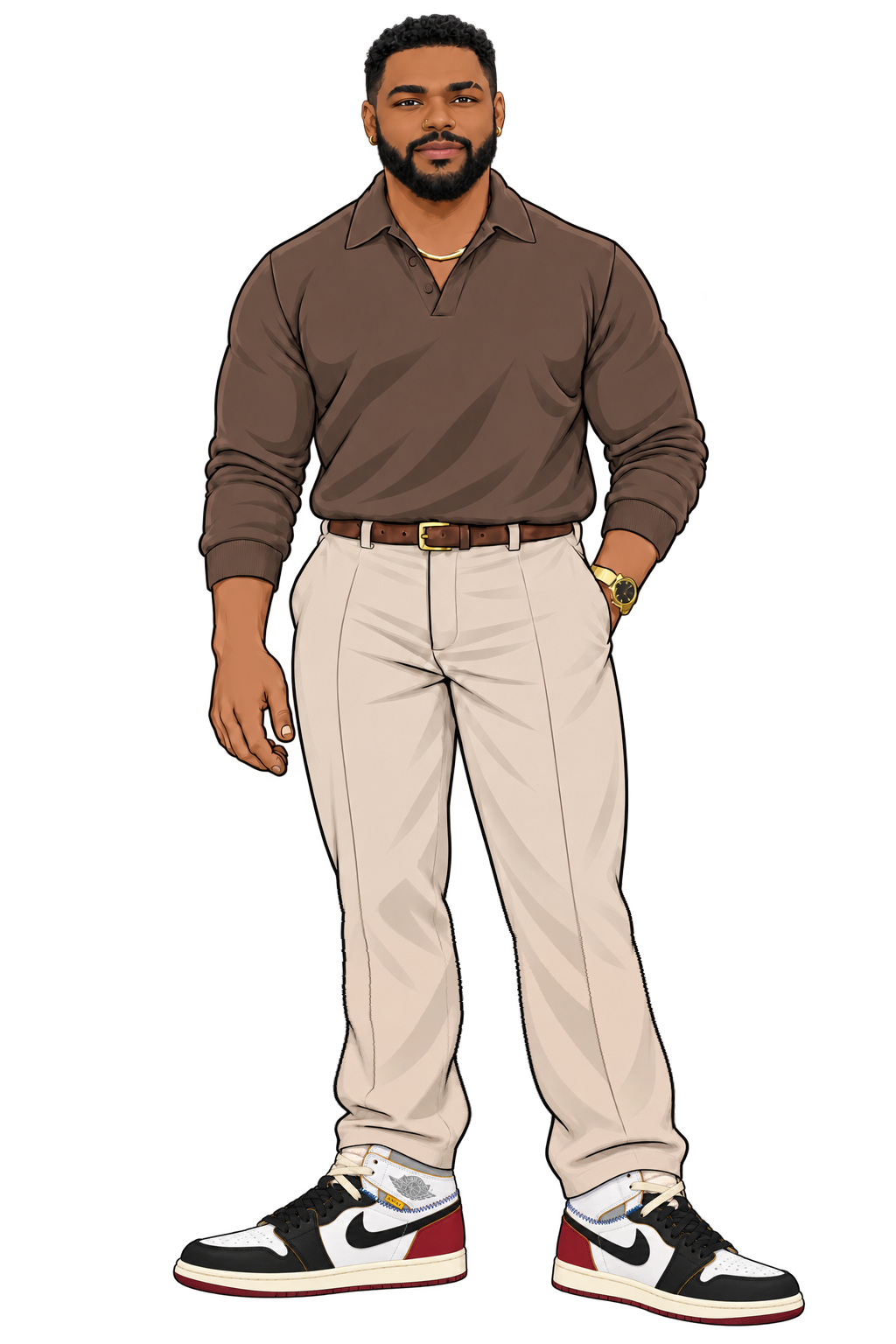
Same clothes. Same pose. A different shoe.
What changes
Sharper blocks. A taller finish.
Black and white create firmer edges, with red concentrated around the heel. The clothes stay steady, but the shoe makes a more graphic statement. This pairing is a new editorial proposal.
- Hue
- The red heel adds a warm note without requiring a red shirt.
- Light & dark
- Black overlays against white panels create stronger boundaries.
- Color area
- The larger red, black and white blocks matter before the tiny blue stitching and yellow tag.
- Silhouette
- The high collar changes how the pant hem meets the shoe.
What I’d check next: Check the hem at the collar.
Let the colors do different jobs.
A grounding top, a quieter bridge, and a shoe with its own emphasis. These labeled colors belong to the selected look.
Inspect the shoe: two catalog angles
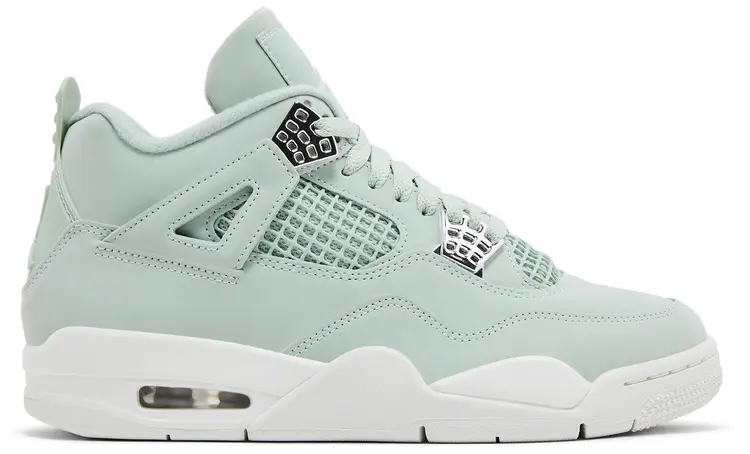
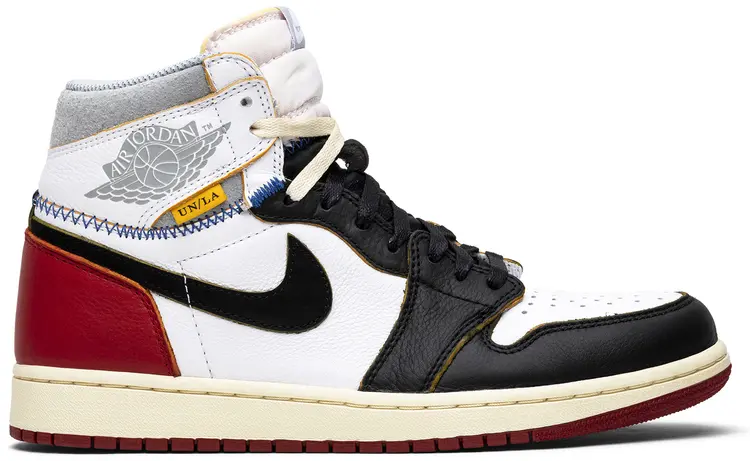 View outer side photo larger ↗
Both references use the same angle.
Illustrations interpret the outfit. Catalog photos show the design details; neither is a current resale offer.
You’ve returned to the starting shoe.
How the comparison works
The clothes don’t quietly change to make every shoe seem like a perfect match. The same brief stays in place, and the notes distinguish an existing outfit proposal from a new pairing.
I directed the styling logic and comparison experience, with AI assistance in the illustrations and implementation. This is a selected demonstration from the larger personal lookbook.